Discover Quality Fence Installation Austin for Wood Fences
Eco-Conscious Fencing: Sustainable Options for the Environmentally Aware Homeowner
Environmentally conscious fencing offers a practical choice for homeowners prioritizing sustainability. This approach not only enhances property value but also minimizes environmental impact. Multiple choices, including bamboo and recycled plastic, provide longevity and visual attractiveness. Understanding the benefits and materials involved is essential for making informed decisions. As homeowners explore these sustainable alternatives, they may discover unexpected advantages that extend beyond mere aesthetics. What additional elements deserve attention in this expanding movement?
Why Choose Sustainable Fencing?
Though many property owners emphasize appearance and strength in their fencing choices, the environmental impact of fencing materials tends to be neglected. Sustainable fencing options present a way to lower ecological impact while defining property borders. By opting for materials sourced from renewable resources, property owners can help to the conservation of forests and ecosystems. This decision reduces dependence on finite resources, which are commonly connected to destructive harvesting methods.
Additionally, green fencing solutions can encourage biodiversity by providing habitats for local wildlife. Fencing constructed from recycled materials or responsibly sourced wood can help minimize landfill waste. Opting for eco-friendly alternatives commonly yields lasting economic rewards, as such materials typically demand minimal upkeep and offer extended durability. Ultimately, choosing sustainable fencing reflects a commitment to environmental stewardship, permitting homeowners to craft attractive landscapes without negatively impacting the planet.
Well-Known Green Fencing Alternatives
When considering eco-friendly fence options, bamboo and recycled plastic emerge as top contenders. Bamboo offers a sustainable and aesthetically pleasing alternative, while recycled plastic provides durability and low maintenance. Both choices support environmental preservation while maintaining practicality and visual appeal.
Bamboo Fencing Advantages
Bamboo fencing presents many compelling benefits that have made it a preferred selection for eco-minded homeowners. First and foremost, bamboo is a rapidly renewable resource, growing much faster than traditional timber, which helps reduce deforestation. Its natural strength and durability provide a sturdy barrier that can withstand various weather conditions. Additionally, bamboo fencing is lightweight and easy to install, making it a convenient option for DIY projects. The visual charm of bamboo introduces a distinctive, organic appearance to any property, integrating naturally with outdoor surroundings. Moreover, bamboo has natural pest-repellent properties, reducing the need for chemical treatments. By choosing bamboo, homeowners not only enhance their outdoor spaces but also contribute positively to environmental sustainability.
Recycled Plastic Options
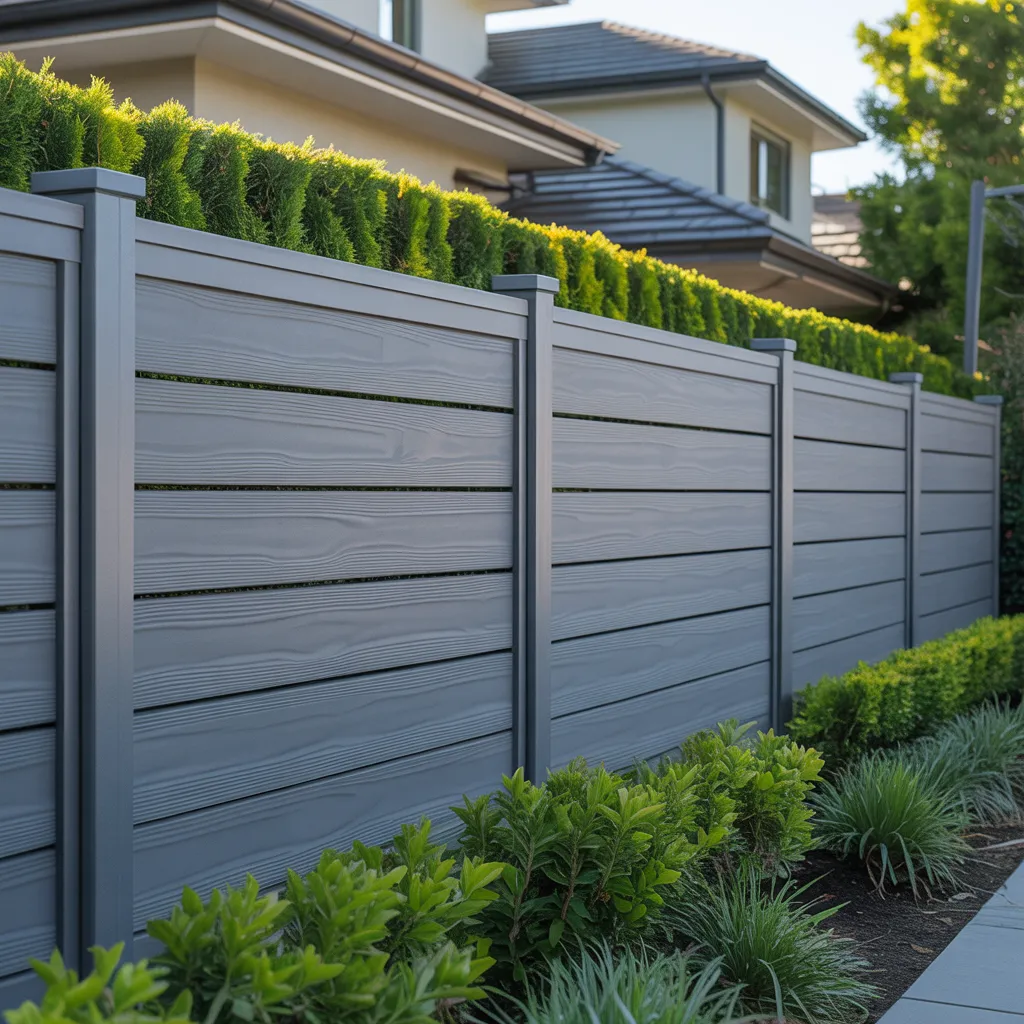
Recycled plastic fencing provides a forward-thinking and sustainable solution for eco-minded property owners. Crafted from recycled post-consumer plastics, this type of fencing keeps materials out of landfills while providing long-lasting durability with minimal upkeep. Built to withstand rot, pests, and harsh weather, recycled plastic fencing retains its aesthetic appeal for years, reducing the requirement for periodic replacements. Available in various styles and colors, it is capable of replicating the look of natural wood while delivering superior long-term durability. Moreover, this sustainable fencing solution plays a role in minimizing carbon footprints, as the production process often requires less energy compared to new plastic manufacturing. Those in search of sustainable fencing alternatives similar information might view recycled plastic fencing as a functional and aesthetically pleasing selection for their exterior properties.
Green Fencing Materials: What You Need to Be Aware Of
With homeowners increasingly pursuing eco-conscious choices, green fencing materials have risen as a key element in outdoor design. These materials serve the dual purpose of reducing ecological impact while improving the beauty of exterior spaces.
Bamboo stands out as a favored option, celebrated for its fast-growing nature and sustainable qualities. Treated wood, sourced from sustainable forests, offers durability while reducing deforestation. Eco-friendly recycled materials, like composite plastic alternatives, combine the benefits of traditional fencing with eco-conscious practices, offering enduring quality without compromising the health of the environment.
In addition, metal alternatives like steel and aluminum are becoming more popular for their sustainability and ease of maintenance. Natural stone and living fences, such as hedge rows, also contribute to local biodiversity.
When choosing green fencing, homeowners should think about factors such as sustainability, longevity, and maintenance to confirm their decision is in line with their eco-conscious objectives and personal tastes.
Putting Up Eco-Friendly Fencing
Additionally, establishing precise boundary lines prevents encroachment and guarantees alignment with local requirements. Homeowners are encouraged to engage with their neighbors to promote a collaborative effort. During installation, using non-toxic adhesives and finishes will additionally strengthen the environmental advantages.
Moreover, taking into account the fence design can optimize curb appeal while limiting resource use. To illustrate, choosing pre-fabricated panels can decrease construction waste. Lastly, enlisting qualified installers familiar with eco-friendly practices can assure that the project is completed with efficiency and sustainability. By adhering to these guidelines, homeowners can achieve a visually appealing, practical, and eco-conscious fence.
Preserving Your Eco-Friendly Fence
Although maintaining an eco-friendly fence may seem straightforward, it demands careful consideration to ensure its durability and environmental integrity. Regular inspections should be conducted to identify any signs of wear or damage, especially in organic materials such as wood. Washing the fence using eco-friendly biodegradable soaps can aid in stopping mold and mildew from forming without damaging the environment.
Additionally, using eco-friendly preservatives, for example flaxseed oil, will improve structural durability while upholding eco-friendliness. Residents should also pay attention to surrounding plant life; overgrown foliage can cause damage and attract pests. Pruning surrounding plants guarantees proper airflow while reducing the buildup of moisture.
Finally, when conducting repairs, utilizing recycled or sustainably sourced materials complements environmentally conscious principles. By committing time and effort to upkeep, homeowners can preserve their eco-friendly fences, ultimately supporting a sustainable lifestyle while elevating the aesthetic appeal of their properties.
Budgeting for Eco-Friendly Fencing
When planning a budget for eco-friendly fencing, the cost of materials plays a significant role in shaping decisions. Homeowners must weigh the initial investment against the long-term savings potential these sustainable options can provide. Gaining insight into both factors can result in smarter decisions that are good for both the planet and personal finances.
Material Cost Considerations
How does one effectively budget for eco-friendly fencing options while balancing sustainability and cost? Homeowners ought to start by exploring various materials, like bamboo, recycled wood, or composite alternatives, each with different price points. Knowing local market prices is crucial, as availability can significantly influence costs. Additionally, installation expenses should be factored in, as some materials might require professional installation, while others can be handled as DIY projects. Evaluating the durability and maintenance costs of each option is also important, as some eco-friendly materials may carry higher upfront costs but offer lower long-term upkeep. Through careful comparison of these factors, homeowners can establish a budget that supports their environmental goals while remaining financially practical.
Long-Term Cost Savings Potential
Choosing eco-friendly fencing can result in substantial long-term cost reductions that make it more attractive despite upfront expenses. Green materials like bamboo or recycled composites generally need less maintenance compared to standard choices, lowering recurring costs. Moreover, most sustainable fences are engineered for longevity, cutting down on the need for periodic replacements. Power-saving features, such as solar-powered lighting built into fencing, can add to cost reductions by decreasing energy expenses. Homeowners might also experience a boost in property worth, as green attributes are becoming more desirable. With these considerations in mind, homeowners can allocate resources strategically for sustainable fencing choices that both preserve the environment and generate financial returns in the future.

Common Questions and Answers
What Effect Does Eco-Friendly Fencing Have on Local Wildlife?
Sustainable fencing benefits surrounding wildlife by creating natural environments, reducing chemical exposure, and promoting biodiversity. These environmentally responsible materials tend to harmonize effortlessly with the natural surroundings, supporting the habitation of various species and improving the health of the ecosystem.
Are Eco-Friendly Fences Able to Handle Severe Weather Conditions?
Sustainable fencing options can withstand severe weather elements, depending on materials used. Several green fencing choices, like composite or treated wood, deliver durability against rain, wind, and shifting temperatures, guaranteeing a long lifespan while reducing environmental harm.
What Are the Health Advantages of Sustainable Fencing Materials?
Environmentally conscious fencing options, often free from harmful chemicals, promote cleaner surroundings. These materials minimize contact with harmful substances, improve environmental air conditions, and frequently utilize reclaimed materials, contributing to comprehensive environmental health for people and natural habitats alike.
Are Tax Incentives Available for Eco-Friendly Fencing Installation?
Indeed, numerous tax incentives are available for installing eco-friendly fencing. Homeowners may qualify for deductions or credits, according to local guidelines and programs focused on advancing eco-friendly practices, thereby encouraging environmentally responsible choices in home improvement projects.
What Is the Responsible Way to Dispose of Old Fencing Materials?
To dispose of outdated fencing supplies responsibly, individuals should get in touch with local recycling authorities for suitable recycling solutions, donate usable materials to community projects, or take advantage of bulk waste collection services for sustainable and responsible disposal.